

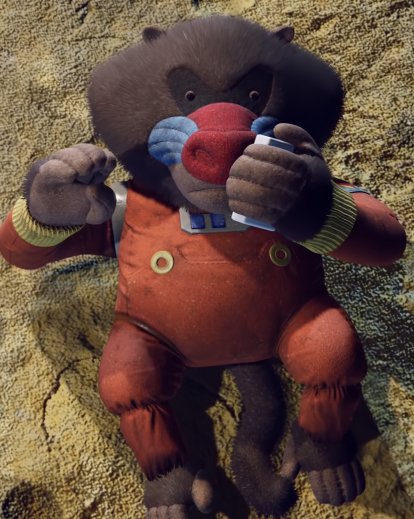
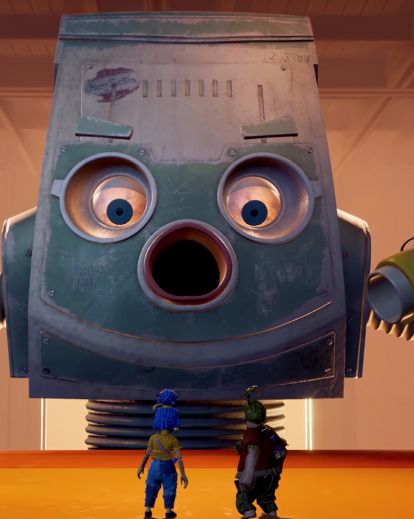
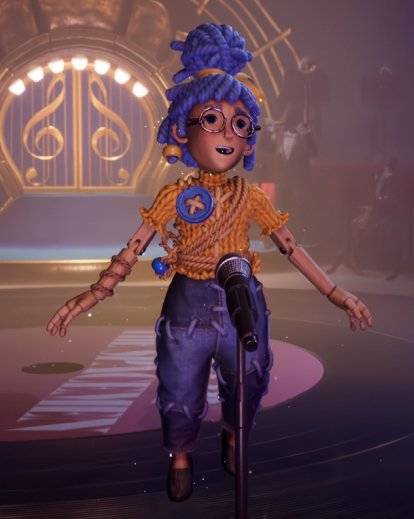
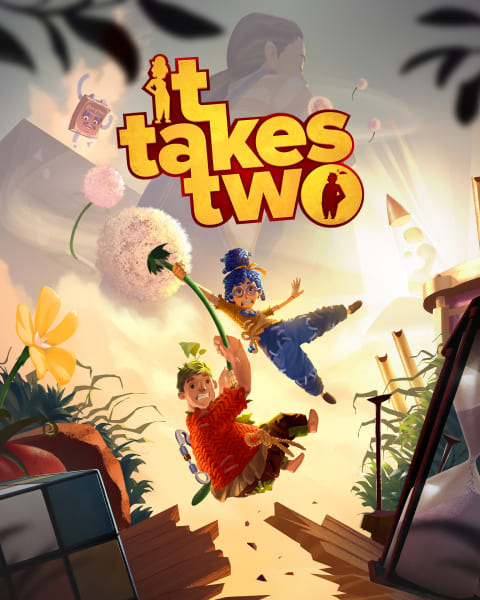
Коди — один из двух игровых персонажей в игре It Takes Two. Вместе с Мэй он входит в супружескую пару, которая находится на грани развода и чьи души попадают в тела двух кукол, сделанных их дочерью Роуз. Все приключение построено на сотрудничестве двух игроков: на каждом уровне Коди и Мэй получают взаимодополняющие инструменты, которые работают только в сочетании друг с другом.
Представьте себе Коди как игрока, который часто создает возможности, закрепляет позиции и подготавливает моменты, позволяющие Мэю завершить ход.
Кто такой Коди в этой истории
Коди и Мэй начинают игру в конфликте и вынуждены отправиться в совместное путешествие в виде кукол, вынужденные общаться и сотрудничать, чтобы двигаться вперед. Предпосылка намеренно проста: игра использует споры пары, командную работу и прогресс в качестве движущей силы как для сюжета, так и для игрового процесса.
Что отличает Коди в игровом процессе
В It Takes Two вы не «создаете сборку Коди». Вместо этого, в каждой главе игры Коди получает новый набор, который сочетается с набором Мэй, и от вас ожидается, что вы будете координировать их действия.
Вот основные темы, которые Коди выделяет в своей книге, с примерами из основных глав.
Инструменты настройки, которые создают пути
В The Shed Коди использует бросаемые гвозди, которые можно вернуть в руку, а Мэй использует молоток. Гвозди — это не просто оружие, а инструменты, которые позволяют совершать махи, запускать механизмы и решать головоломки.
Полезные практические привычки:
- Сначала место, потом воспоминания
- Стремитесь к «безопасным» углам ногтей, которые Мэй легко читает на экране
- Используйте быструю подсказку, например «ногти готовы», прежде чем Мэй начнет замах
Комбинированные инструменты, которые вознаграждают за своевременность
В The Tree Коди получает пистолет для выстрелов соком, а Мэй — зажигательную пушку, которая взрывает сок. Вы будете постоянно чередовать действия Коди, «помечающего» цель, и Мэй, «добивающей» ее, как в головоломках, так и в боевых сценах.
Правило быстрой координации:
- Коди называет цель
- Мэй подтверждает, что видит цель
- Коди стреляет
- Мэй взрывает
Контроль размера, который меняет вашу роль по требованию
В комнате Роуз Коди может расти или уменьшаться. Дизайн уровней использует это для создания классических моментов «большого веса» и маршрутов «малого доступа», в то время как Мэй перемещается по поверхностям, используя свою собственную способность к перемещению.
Как выглядит хорошая игра Коди в данном случае:
- Действуйте решительно, когда речь идет о давлении, весе или досягаемости
- Выбирайте небольшие размеры, если проблема заключается в доступе, узких зазорах или точности
Контроль времени, который превращает ошибки в решения
В главе «Часы с кукушкой» Коди манипулирует временем для определенных объектов, устраняя повреждения или восстанавливая пути, а Мэй использует способность, похожую на клонирование и телепортацию. Самые чистые решения обычно приходят от Коди, который восстанавливает маршрут, а Мэй «закладки» положение и перемещается, когда появляется возможность.
Простой вынос, предотвращающий хаос:
- «Восстановление сейчас»
- «Удерживайте»
- «Продолжить»
Магнитная игра, в которой все сводится к общему напряжению
В главе «Снежный шар» Коди имеет красную половину магнита, а Мэй — синюю. Вы будете использовать притяжение и отталкивание, чтобы перемещать предметы, удерживать мосты на месте и запускать себя на металлические поверхности. Многие головоломки спроектированы так, что один игрок должен поддерживать стабильность, пока другой пересекает мост.
Если вы Коди, то считайте, что вы часто будете «стабилизатором»:
- Продолжайте оказывать давление, пока Мэй не подтвердит, что она согласна.
- Не снимайте давление раньше времени только потому, что экран выглядит нормально
Защитная утилита, позволяющая May работать безопасно
В The Attic Коди использует тарелку в качестве щита и метательного оружия, а Мэй использует голосовое взаимодействие для решения головоломок. Игра явно просит Коди защищать подход, пока Мэй остается рядом и выполняет взаимодействие.
Это один из самых ярких примеров модели «Коди ведет, Мэй следует» в игре:
- Коди задает темп и блокирует опасности
- Мэй остается в вашем безопасном кармане и запускает прогресс
Как выбрать, кто должен играть Коди
Выберите Коди, если хотите:
- Настройка параметров движения для другого игрока
- Управление временными окнами и задачами «удержи в стабильном положении»
- Выполнение первого шага в двухэтапном решении
Если хотите, выберите «май»:
- Реакция на настройки
- Приземление после взрыва, телепортации или перемещения
- Быть тем, кто «продевает нитку в иголку» после того, как Коди открывает путь
Совместная коммуникация, которая работает с наборами Cody
Большинство неудач в It Takes Two не связаны с механикой, а с координацией. Попробуйте использовать короткие, повторяющиеся фразы.
Актер озвучивания
Коди озвучивает Джозеф Балдерама.























Комментарии (0)
Вход / Регистрация
Войдите, чтобы оставить комментарий.
Комментариев пока нет
Будьте первым, кто поделится своими мыслями!