

Мэй — одна из двух игровых главных героинь в игре It Takes Two. Она и ее муж Коди — родители маленькой дочери по имени Роуз, и игра начинается с того, что Мэй и Коди готовятся к разводу.
Примечание о
спойлерах В этом руководстве рассматривается полный сюжетный цикл персонажа Мэй и основные моменты основной истории.
Май вкратце
- Роль в игре: главный герой кооперативного режима вместе с Коди
- Семья: мать Роуз; в начале игры замужем за Коди
- Спусковой момент: умы Мэй и Коди оказываются внутри кукол, сделанных их дочерью
- Форма куклы: Мэй изображается в виде деревянной куклы
- Озвучивает: Аннабель Даулер
- Как ее описывают некоторые рецензии: трудолюбивый инженер и мать
С чем имеет дело Мэй
Мэй представлена как человек, который пытается сохранить нормальную жизнь, пока ее отношения рушатся. В игре развод не представлен как вина одного человека; он начинается с отчуждения, обиды и многолетнего недопонимания друг друга.
Полезный способ понять Мэй – это «высокие стандарты в стрессовой ситуации». Она склонна настаивать на решении проблем и продвижении вперед, особенно на ранних этапах, что отчасти объясняет ее острые столкновения с Коди. Эта резкость является намеренной: для развития сюжета необходимо, чтобы оба персонажа сначала занимали оборонительную позицию, чтобы позже их рост был заметным.
Ее место в основной предпосылке
Исходная предпосылка проста и намеренно странна: Мэй и Коди, находящиеся в процессе развода, превращаются в куклы и вынуждены пройти совместное путешествие, в котором прогресс требует сотрудничества.
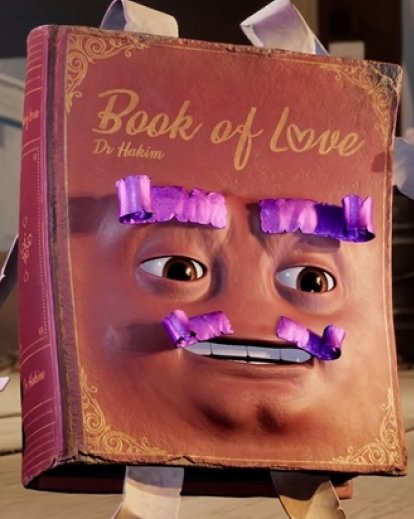
Они постоянно вовлекаются в «домашнюю работу по отношениям» доктором Хакимом, говорящей книгой по терапии отношений, которая постоянно уводит их от коротких путей и ведет к сотрудничеству.
Арка Мэй в простых словах
В сюжете Мэй речь идет не столько о том, чтобы стать другим человеком, сколько о том, чтобы вновь обрести доступ к тем частям себя, которые были погребены под грузом ответственности и разочарований.
Ключевые моменты, определяющие ее развитие:
- От узкого взгляда на вещи к командной работе: она перестает относиться к Коди как к препятствию и снова начинает относиться к нему как к партнеру.
- От контроля к доверию: она понимает, что не может «управлять» каждой эмоциональной проблемой.
- Возвращение страсти: история явно связывает прогресс в конце игры с тем, что Мэй вновь обрела связь с музыкой и пением.
Краткое изложение сюжета, посвященное маю
Мэй и Коди сообщают Роуз, что они разводятся. После этого Роуз берет ручные куклы, похожие на ее родителей, и когда ее слезы падают на них, Мэй и Коди просыпаются, оказавшись в ловушке кукол.
С этого момента Мэй проводит большую часть игры в борьбе между срочностью (вернуться к Роуз, исправить «заклинание») и неудобной реальностью, которую доктор Хаким продолжает навязывать им: они не могут силой вырваться, не восстановив сотрудничество.
В конце истории игра создает важный эмоциональный поворотный момент, помогая Мэй вновь обрести связь с музыкой и пением, который завершается выступлением, сигнализирующим о том, что отношения действительно изменились.
Как играть в May
Если вы выбираете, кем играть, то Мэй часто воспринимается как более непосредственный персонаж в игровом процессе. Некоторые руководства резюмируют это так: Коди более «стратегичен», а Мэй обладает более «взрывными» или агрессивными инструментами.
Это не является жестким правилом для каждой главы, но это хороший способ сформировать ожидания: Мэй обычно получает способности, которые решают проблемы, как только Коди создает для этого возможность, и этот ритм соответствует теме координации, которая проходит через всю историю.
Характерные способности, которые вы узнаете
В игре силы постоянно меняются в зависимости от главы, поэтому разумнее запомнить схему, чем весь список.
Несколько широко известных примеров:
- Раздел «Сарай»: Мэй использует молоток, а Коди — гвозди, построенные на синхронизации и совместном перемещении.
- Пример из более позднего раздела: один уровень дает Коди возможность манипулировать временем, а Мэй может создавать копии себя, что требует синхронизированного выполнения.
Распространенные заблуждения о мае
- Мэй не изображается как злодей. Игра начинается с того, что оба партнера настроены враждебно и защищаются, а затем использует путешествие, чтобы раскрыть слепые зоны обеих сторон.
- Ее компетентность не является причиной конфликта. Даже источники, которые называют ее высококвалифицированным инженером, все равно представляют проблему брака как эмоциональную разобщенность, а не как проблему интеллекта или способностей.
- «Проклятие куклы» — это метафорический механизм. В сюжете куклы и доктор Хаким используются для того, чтобы выразить работу над отношениями в виде физических задач по сотрудничеству.
Почему Мэй подходит на роль главной героини кооперативной игры
Мэй эффективна, потому что она создает трения, не превращаясь в карикатуру. Ее настойчивость, острота и компетентность делают моменты сотрудничества заслуженными: когда она и Коди наконец синхронизируются, это выглядит правдоподобно, потому что игра показала, как трудно им это дается.
А поскольку игра создана исключительно для совместной игры, Мэй — не просто «персонаж-жена». Она — половина системы. Сюжетная линия, дизайн уровней и переключение способностей построены таким образом, что Мэй и Коди нуждаются друг в друге, чтобы продвигаться вперед.






















Комментарии (0)
Вход / Регистрация
Войдите, чтобы оставить комментарий.
Комментариев пока нет
Будьте первым, кто поделится своими мыслями!